
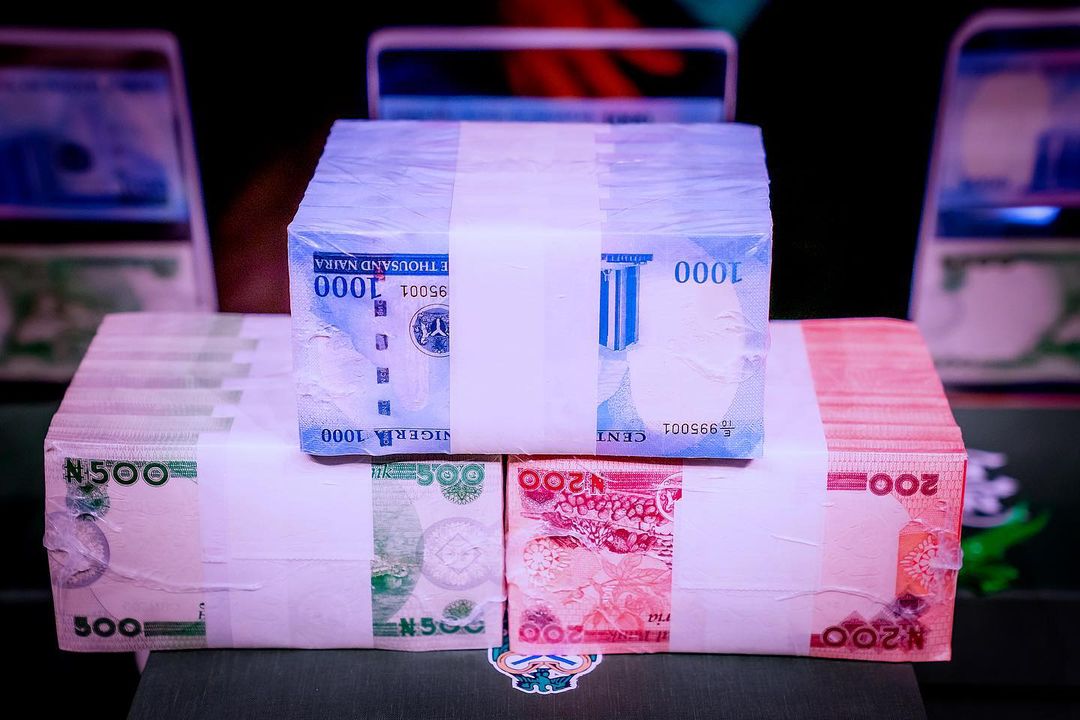
After nearly two decades, the Central Bank of Nigeria reissued redesigned versions of the 200, 500, and 1,000 naira notes. Nigerians have made jokes about and debated the newly designed notes, with many criticizing the lack of initiative in the design and the alleged waste of resources by the CBN. According to the CBN, there was a limited amount of time to improve the aesthetic standards, which have no bearing on the fundamental value. While the new look and the necessity for change were still being discussed, the Central Bank of Nigeria (CBN) issued a circular about the cash withdrawal limit, which sparked outrage, with some industry professionals applauding the idea and others demanding that it be suspended.
What are the primary concerns expressed?
Given that our local market only enables cash transactions, some have criticized the N20,000 withdrawal limit as too low for an individual. According to some, conducting an online transaction in an emergency may be challenging, such as a car breakdown on the highway, where there is no phone network.
Another concern is the security situation, mainly how to handle ransom demands. Terrorists have begun to demand the new, incredibly difficult-to-obtain currency, putting lives and property in danger.
Some argue that the CBN is concentrating its efforts on a minor issue. According to them, only N3.2 trillion of the potential N21 trillion in circulation is in cash form. They suggested that the focus should be on reducing the government’s quantitative easing.
However, the Central Bank of Nigeria reports that 80 percent of the N3.2 trillion in circulation is held outside the banking system, making oversight impossible.
Furthermore, the rising rate of ransom payments is cause for concern, and one structural intervention method was to restrict the money supply. Moreover, the cashless initiative reduces vote-buying possibilities, eroding our elections’ credibility, and eliminates filthy currency from circulation.
Should we then conclude that the policy is ineffective?
Because of the socioeconomic implications, any idea is expected to face some form of opposition. Nonetheless, the CBN is on the right track. In terms of security, each branch of government should be able to supplement the others. While the military evaluates the security architecture continually, institutions such as the CBN, EFCC, and ICPC should implement policy measures to support the effort. This new regulation should make financial transactions easier to monitor and make it more difficult for criminals to obtain funds. It will be challenging at first, but with the assistance of security services, it would be possible to reduce the level of insecurity.
Concerning the money supply, the CBN is expected to maintain control regardless of the amount of currency in circulation. As a result, it is covered by the policy.
Regarding the daily withdrawal limit, we as a nation must be more open to new technology and find ways to incorporate it into diverse activities. Completing online financial transactions is necessary for today’s environment, as cryptocurrencies are supplanting fiat currencies. People can also learn to use and interact with technology, such as ATMs, phones, and USSD codes, which are social benefits of technology adoption. This increase in literacy occurs without our involvement. As a result, our way of life must evolve in tandem with technology.
The question is what should be done to ensure the CBN policy’s success.
First, expanding the electricity and communications infrastructure is critical. We should improve signal penetration and access to electricity.
Second, the banking sector and technology companies should work together to accelerate the development of products that simplify and improve the efficiency of online business transactions.
Third, the EFCC and ICPC must scrutinize all transactions that exceed the stipulated limit.
Fourth, considering that the withdrawal restriction is per BVN rather than per bank, the CBN should reconsider the daily withdrawal limit of N20,000 to meet the concerns raised. Nonetheless, the CBN should not undermine the objective of the policy.
Fifth, the government should ensure that other ministries and parastatals adopt the eNaira for their financial transactions as part of the cashless initiative.
In conclusion, it will be challenging to implement a new policy in a country like Nigeria, but it will ultimately benefit society and the economy. We should expect changes in our local market activities; literacy will rise, digital technologies will become more prevalent, cash circulation will be more carefully regulated, security architecture will improve, and all transactions will be more closely monitored. It will also save the government money by reducing the printing costs of naira notes, which are printed at a cost more than their face value.
Furthermore, the CBN must consider better management of the FX market. There is no need for a parallel or alternative market. Every dollar or currency transaction should be processed through the financial system and accompanied by the necessary papers. Bureaus de change (BDC) should morph into microfinance institutions or merge with traditional banks. This will allow the CBN to regulate the currency rate efficiently.
Nigeria can become great if we improve the enforcement of existing laws and regulations and adopt technologies in our way of life.

