
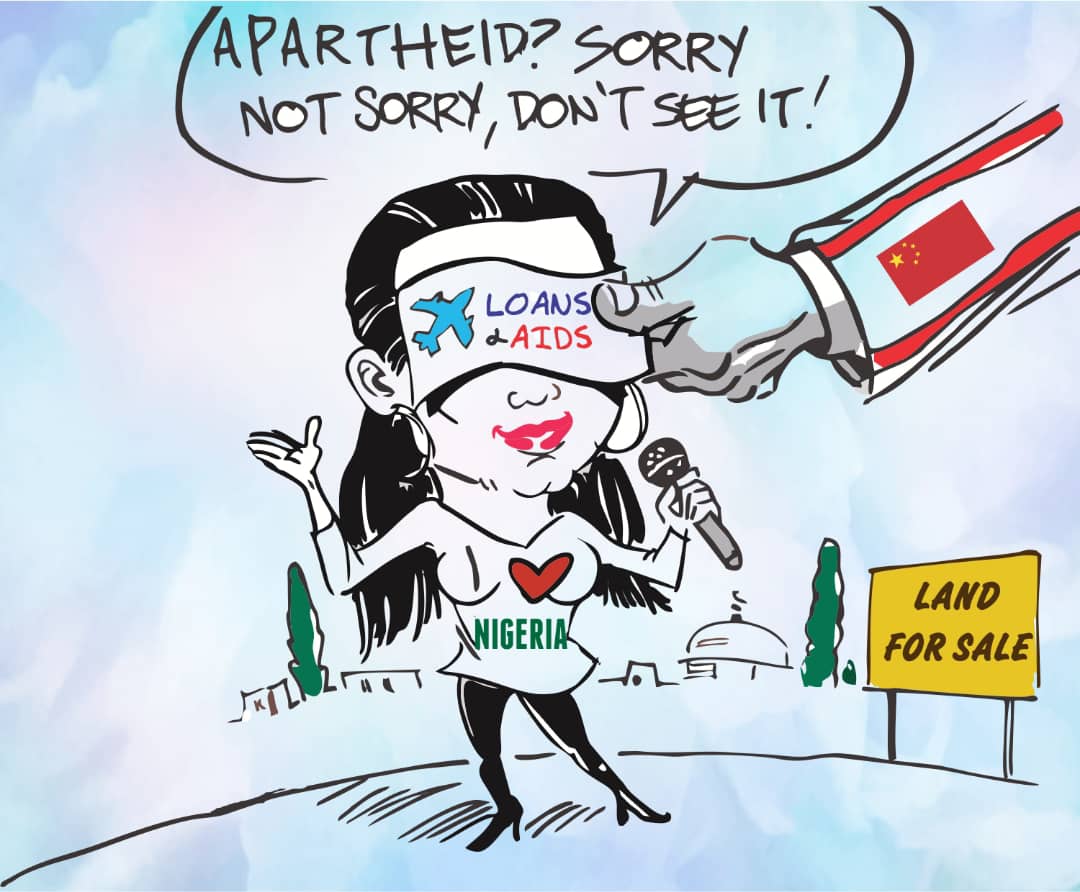
When the word apartheid is mentioned what comes to mind is the nation of South Africa and Nelson Mandela. Some think of the state of Israel and Palestine and the battle for the occupied territories.
Apartheid as it is called in Afrikaans simply means “Apartness”. It is a form of repressive measures against the non-whites in South Africa.
The origin is dated back to 1913 when the controversial Land Act was passed. This land use act was the beginning of segregation. Fast forward, the great depression and World War II brought economic woes on South Africa which brought the Afrikaner National Party to power in 1948. The party believed in the need to strengthen government policies of segregation amongst other right-wing ideologies. Non-whites were segregated from whites and the blacks were separated along tribal lines.
Before Apartheid, there had been large scale slavery in Africa, from the Arab slave trade to the Trans-Atlantic slave trade. At the center of all these heinous acts against humanity is the desire for the control of land, natural resources, and labour.
After the slave trade collapsed and became less profitable, the imperialist reorganized into colonisation. With their imperialist aggression, diplomatic pressures, divide and conquer approach, and military invasion, the Europeans were able to subdue Africans and divided the entire continent amongst themselves. This was documented in the Berlin Act of 1885. Some of the major articles of the Berlin Conference drawn up without the consent of any of the African states were as follows:
- The Principle of Notification (Notifying) other powers of a territorial annexation
- The Principle of Effective Occupation to validate the annexations
- Freedom of Trade in the Congo Basin
- Freedom of Navigation on the Niger and Congo Rivers
- Freedom of Trade to all nations
- Suppression of the Slave Trade by land and sea
In the 1950s when the wave of independence swept across Africa, the European power realised that colonisation project facilitated through their multinational companies cannot continue in its form and structure. So, they committed to handing back political control to the Africans while they held on to the economic levers of control. Also, very strategic, was their alliance with the military establishment in all the African states.
Why is this important?
Now, we are seeing the rise of China and its dominance across different aspects of our lives. Starting with mastering the art of production and accumulating capital, China, poised on the African stage, could be another face of an imperialist with enough capital to acquire and exploit our resources. And one should not think that China is alone in this neo-colonisation possibilities. The western economies have also regrouped as industrialists powering China’s rise.
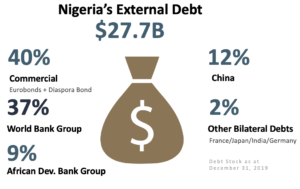
The rate at which Chinese are penetrating African economies, buying lands, and moving their people into our spaces as labour might be setting us up for a possible state of apartheid in the near future. And with the increasing level of indebtedness to China, we might just be locked into an unfavorable socioeconomic condition.
Our government and policymakers, therefore, should be wary in their dealings with foreigners.
Issues of land and natural resources should be viewed critically. Foreigners should not be allowed to buy our lands outrightly. It can be leased for a specified number of years subject to review, but to buy land outrightly will make the nation susceptible to the Principle of Effective Occupation.
We should also be wary of the conditions attached to loans and foreign aids. Chinese are not here for charity. They are simply working for the interest of China. We, therefore, need to keep our minds and eyes open in the interest of our own people.
Africa needs to find an alternative to aids and supports she gets from these nations. We have to develop protocols that fit our way of life. We have what it takes to trade amongst ourselves and the African Continental Free Trade Agreement is a step in the right direction if well implemented.
And we also don’t need all African states to awake at once., rather we only need some powerhouse like Nigeria, Ghana, South Africa, Zimbabwe, Kenya, Egypt, Ethiopia, DRC, and Rwanda to awake and create a ripple effect across the continent.

